Not long ago I asked LinkedIn to send me everything it has about me. Anyone can do this. You ask, wait, and a download link shows up.
It was huge. Years of messages, thousands of connections, every endorsement and note. I turned it into a knowledge graph on my own machine, and now I can search it, mine it and take it with me if I ever move. Then I read Cory Doctorow's Enshittification, and it turned out to be a small version of his cure.
His argument starts with something we've all felt. A service you liked gets worse. Doctorow says it happens in order. First the platform is good to you, because it wants you to join. Then it squeezes you to please the businesses that pay it. Then it squeezes those businesses too, and keeps the difference. After that, he says, it dies.
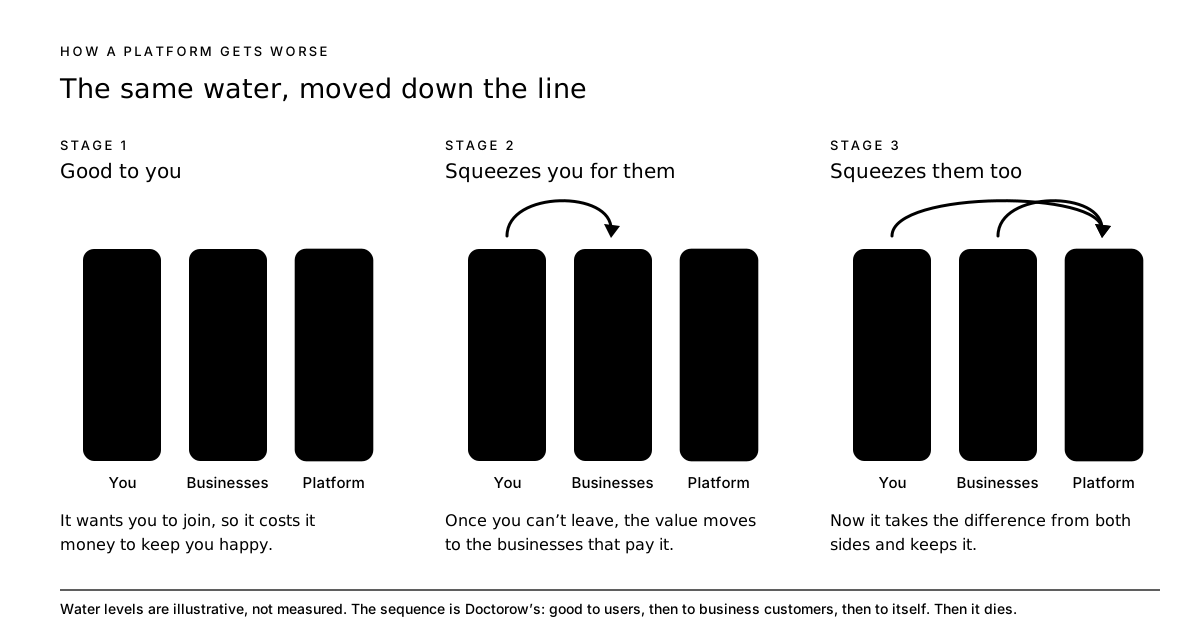
I've lived the middle of that. I pay for LinkedIn, and my reach is still poor. Paying didn't protect me, because what decides your reach is the platform's own rules, and they change.
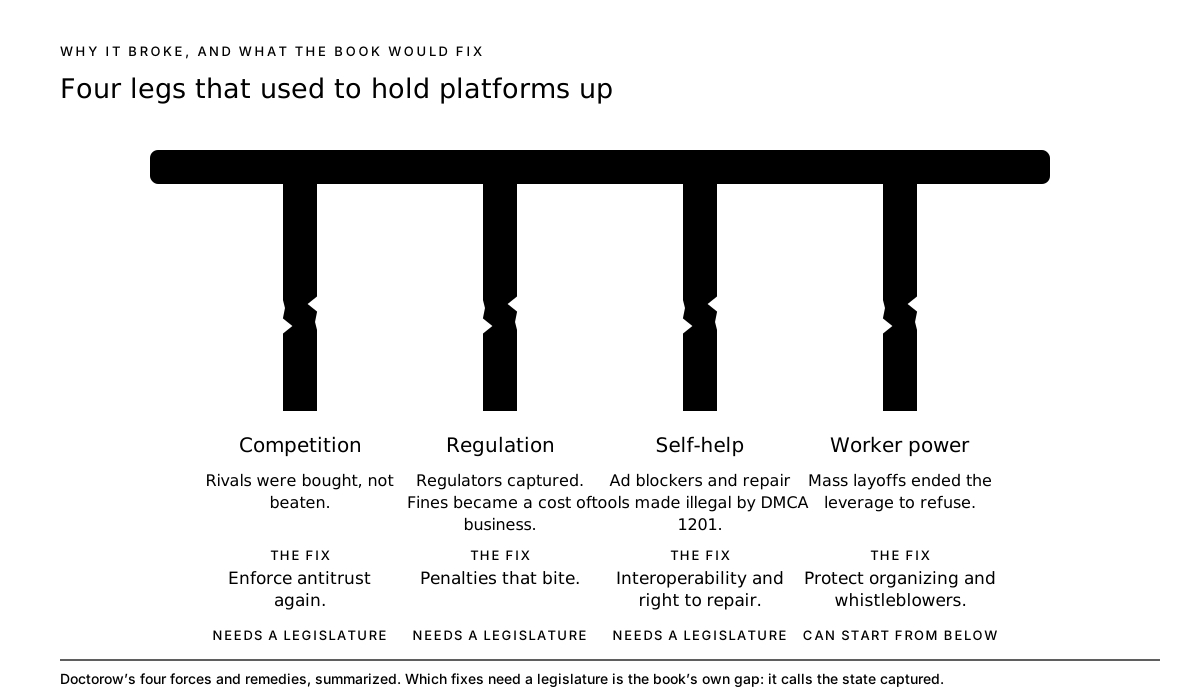
Doctorow doesn't blame greedy executives. He asks why the things that used to stop companies stopped working. There were four: you could go to a competitor, the regulators could punish cheating, you could fix things yourself, and tech workers could refuse to make a product worse. He says all four broke.
The chapter on gig workers has the clearest stories. DoorDash hides the tip from drivers until they've accepted a job. An app called Para showed drivers the tip first. DoorDash changed its code to cut Para off. In Indonesia, drivers use mods called tuyul apps to bend their dispatch app back toward themselves. Doctorow's point is that the platform changes the deal all day long, and a worker who tries to read the deal gets a legal threat.
His description of the reverse-centaur is the one I found apt. A centaur is a person helped by a machine. A reverse-centaur is a person serving one: the system sets the pace and you take the blame. If you're putting AI into a business, that's the question to ask. Does the tool help the person, or does the person feed the tool?
His cure is to bring the four restraints back: enforce competition law, set fines that hurt, let people move their data and fix their own things, and protect workers who organize. Some of that I can do now. I can join and back co-ops. I can keep my data exportable and keep a way to reach people that no platform controls. The parts that need companies to change or governments to pass laws feel far off to me. But people can push for them, and that part is up to all of us.
Ask for your data. See what's in it. It's a good first step.